+44 (0) 203 488 9897






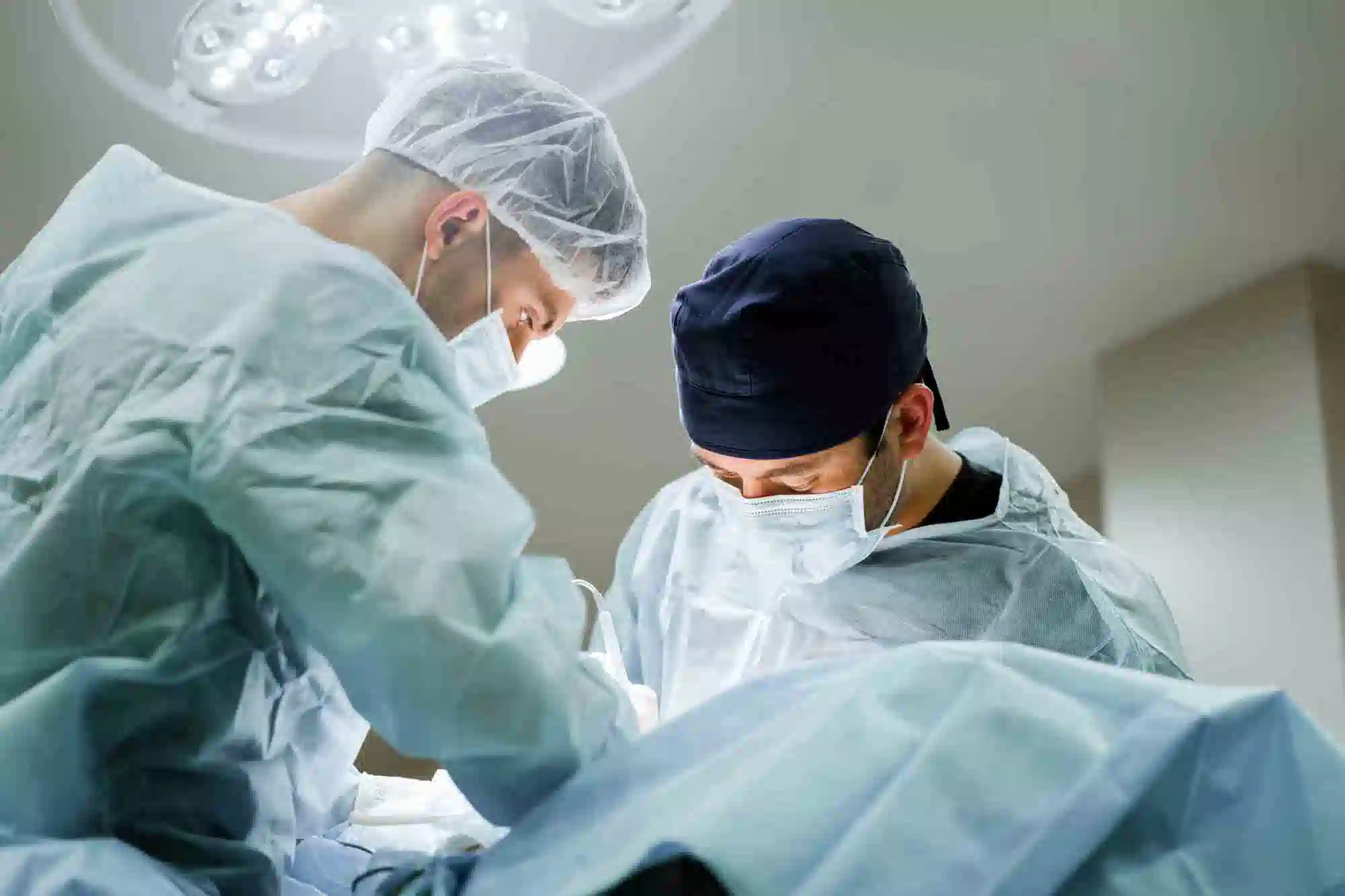
The procedure carried out in a hair transplantation
The Hair Transplant Procedure

FUE Hair transplantation is a procedure carried out under local anaesthetic. You will remain fully conscious and can chat with the surgeon anytime. A local anaesthetic is applied to the donor area of the scalp (the anaesthetic stings a little). Then the desired number of hairs are extracted one at a time. They are carefully collected in a spread to minimize the visual lowering of density in the area to which they are being applied.
The balding area is also anaesthetised, and micro-incisions are made using a specially shaped needle. Grafts are then placed into these incisions.
After the anaesthetic wears off at around 3-4 hours, the scalp will feel a little sore, but soon eases and returns to normal in a few hours. Simply taking paracetamol or co-codamol will help reduce the discomfort. Minimal swelling sometimes occurs which is normal. The areas operated on will appear slightly pinker than usual, but this passes after a few days.
The tiny hair transplanted falls typically out within two weeks. This is normal and due to “thermal shock”. Hair will then regrow in three months time, and carry on growing as fast as your normal hair.
If your Doctor is transplanting into a less dense area, this can occasionally cause temporary shedding of some existing nearby hair shafts, which will then regrow.
Before The Hair Transplant Procedure
In order to provide you with the highest medical care, the following instructions are essential:
If you are older than 45 years of age, we require you to receive your ECG around two weeks before the date you’re booked in.
Fourteen days before your appointment, do NOT take Aspirin or any other anti-inflammatory medications (Ibuprofen, Nurofen etc.) They will increase bleeding.
Fourteen days before your scheduled procedure, do NOT take tricyclic antidepressants, selegiline hydrochloride, MAO inhibitors (Isocarboxazid, Marplan, phenelzine (Nardil, Nardelzine) tranylcypromine (Parnate, Sicoton), Deprenyl, blood thinners.5 HTP, Amitriptyline, Wellbutrin, Buropion, Buropion HCL, Prozac, Fluoxetin, EFFEXOR® XR, etc.), beta blockers(Propanolol, etc..)
14 days before your procedure, please do NOT take multivitamins, including vitamin E and vitamin B, food supplements, or herbal products (Gingko, etc.), as they will increase bleeding.
Seven days before your scheduled procedure, STOP using Minoxidil (Regaine, Rogaine).
Seven days before your scheduled procedure, try to avoid any drinking of alcoholic beverages.
Twenty-four hours before your procedure, avoid smoking tobacco products, because smoking will slow down healing.
- The morning of your procedure, wash your hair thoroughly using normal shampoo. After shampooing, rinse thoroughly and use a clean towel to dry your hair.
- Do not use sprays or gels on your hair the morning of your procedure. If you wear a hairpiece, please remove it, before your morning shower and do not replace it before your procedure.
On the morning of your procedure, eat something light for breakfast but do NOT drink any coffee or any other caffeinated beverages.
The morning of your procedure, wear a shirt that unbuttons or other loose clothing to avoid touching your head when putting your clothes back on.
Hair Transplant Pricing in London
Visit this page for some examples of the cost of a hair transplant in London
What Happens After Hair Transplants
A successful outcome depends not only on the technique used but also on the experience of the hair transplant surgeon in London performing the procedure.
When considering having a hair transplant, you will also want to take into consideration the post-op progress of the hair transplant. This will be one of the most important factors to take into account when deciding to have a hair transplant.
Here at the clinic, our patients receive thorough post-operative instructions to ensure they get the best results from their procedure.
After your hair replacement, you will be provided with medications, such as a mild steroid (anti-swelling), a painkiller and an antibiotic to minimise infection. You will be also be given guidance on when and how often to take them.
FUE is a well-established and minimally invasive hair restoration procedure, but you should still expect some redness, occurring in the recipient and the donor area. It will disappear in a few of days, depending on your skin tone and healing process.
There is normally no pain after the procedure, but you must avoid touching and sweating excessively on your recipient site. It is best to take it easy for the first couple days after the procedure. Also, be prepared for special hair-washing instructions and advice on shampoos to use for the first two weeks. This will help speed up the healing process.
Apply For A Consultation
"*" indicates required fields