+44 (0) 203 488 9897



Who is a good candidate for a hair transplant?
Hair transplants offer a lifeline for many, boosting the confidence that would otherwise be impossible. But how do you know if you are a good candidate for this kind of surgery?
Am I a good candidate for a hair transplant?
Men with hair loss of class 3 or more on the Norwood Scale make excellent candidates for transplant surgery, mainly if their hair pattern has not changed. You are also a good candidate if your hair loss has been progressing for five years.
Before you contact a hair transplant surgeon in london, give some thought about your expectations and discuss them with your surgeon.
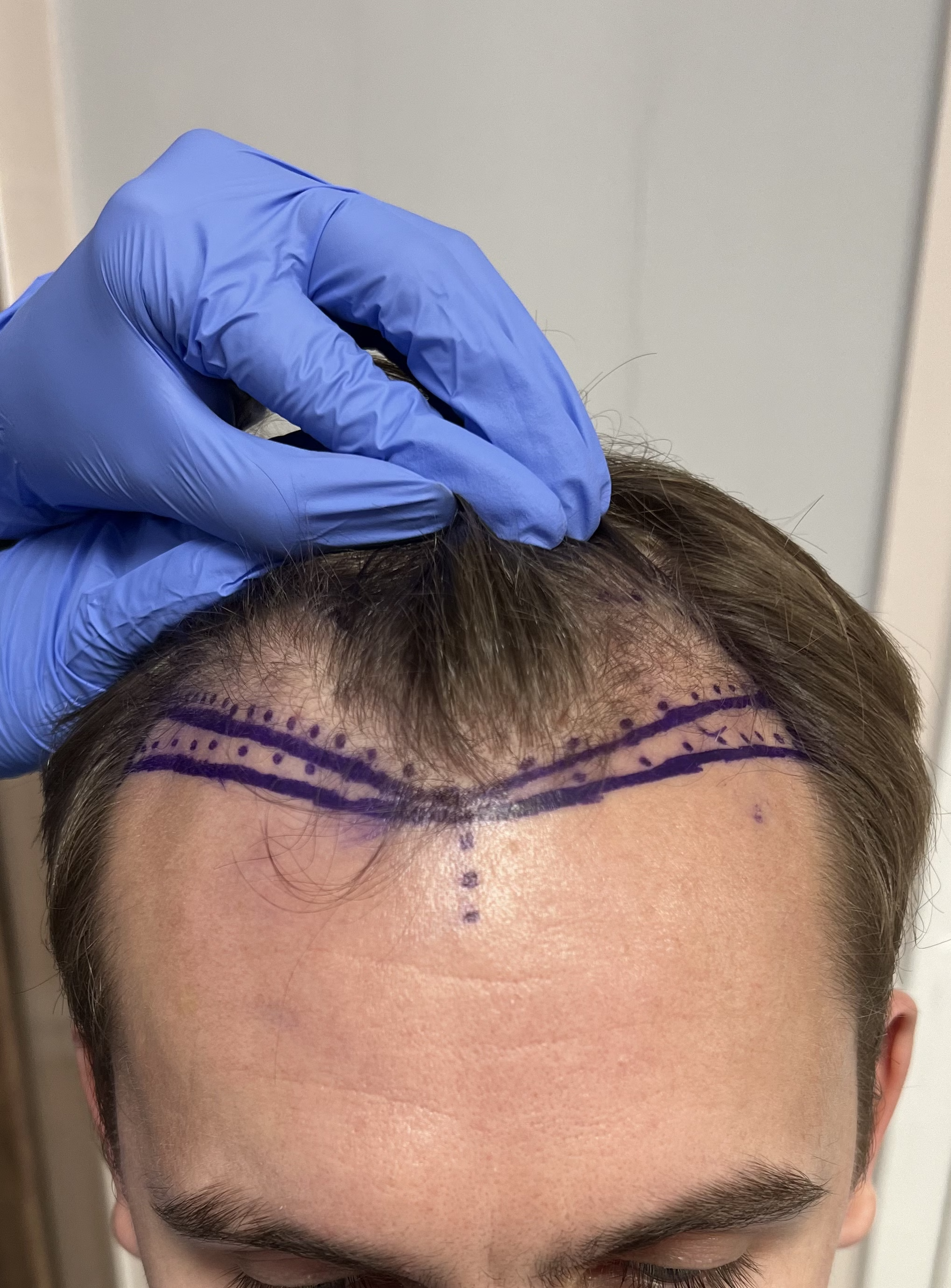
Hair characteristics
There are several characteristics of the hair that may or may not make you a good candidate for a hair transplant. Factors like hair colour, texture and waviness or curliness will affect the cosmetic result.
Hair colour
Hair colour is one of the biggest factors that will determine how effective the result is. This is because the contrast between hair and scalp colour does make a difference. The bigger the contrast between the two, the more obvious the balding appears.
Those who have similar hair and scalp colours are less ‘noticeably’ bald than those who have a high contrast between the two. This means that they are typically good candidates for hair transplantation.
Hair density
Hair density is also one of the most significant factors when determining who will be a good candidate for a transplant.
Those who have good hair density tend to be good candidates for hair transplantation surgery. Specifically, surgeons will look for a good density of hair follicles around the donor areas of the scalp (the back of the head and the sides of the scalp). This is where the donor follicles are taken from that will then be used to cover any areas of balding.
Conversely, if such patients have a low density of hair follicles, they will likely not be good candidates for a hair transplant. A patient needs to have a moderate or high level of hair density in order to be able to transplant donor follicles across the scalp.
Hair texture
When looking at hair texture, people with curly or wavy hair can expect better results with less follicular units used. Afro-Caribbean hair is a great example of this. Although Afro-Caribbean follicular unit density tends to be lower than Caucasian or Asian hair (0.6 FU/mm2 vs. 1 FU/mm2), because the curls are dense, creates the impression that more of the scalp is covered – creating a better overall result.
Hair thickness
Hair thickness can make a difference in whether or not a hair transplant will succeed. Thick hair requires fewer drafts to achieve the same cosmetic effect as those with thinner hair. This is because the appearance of baldness is due to light penetrating the hair and being reflected off the scalp. Thicker hair blocks more light from being reflected off the scalp, resulting in a better cosmetic effect.
Scalp flexibility
Scalp flexibility, or scalp laxity, is also considered when determining a candidate's suitability for a hair transplant. If you have low laxity of the scalp (i.e. a tight scalp), it will be more challenging to remove follicles from the scalp and transplant them, as opposed to someone who has high laxity (i.e. a loose scalp).
Considering all these points is important when determining whether someone is a good candidate. Whilst someone might have a high density of hair follicles in the donor areas, that person may have other unfavourable hair characteristics that offset the benefits of this density.
The quickest way to determine whether or not you will be a good candidate is to book a no-strings, one-on-one consultation with one of our expert surgeons.