+44 (0) 203 488 9897






Recovery Tips After A Hair Transplantation
If you’ve undergone a hair transplant procedure, congratulations! You’ve taken an important step towards regaining your hairline and self-confidence. However, the recovery process after a hair transplant can be daunting, as it requires careful attention and adherence to specific guidelines to ensure optimal healing and hair growth. In this article, we’ll offer practical tips on how to manage the recovery process after a hair transplant, including advice on washing, sleeping, and avoiding strenuous activity.
Recovery is a key part of every successful outcome, and our Hair Transplant clinic in London includes detailed surgeon-led aftercare to support healing, graft protection, and long-term growth.
Understanding the Recovery Process
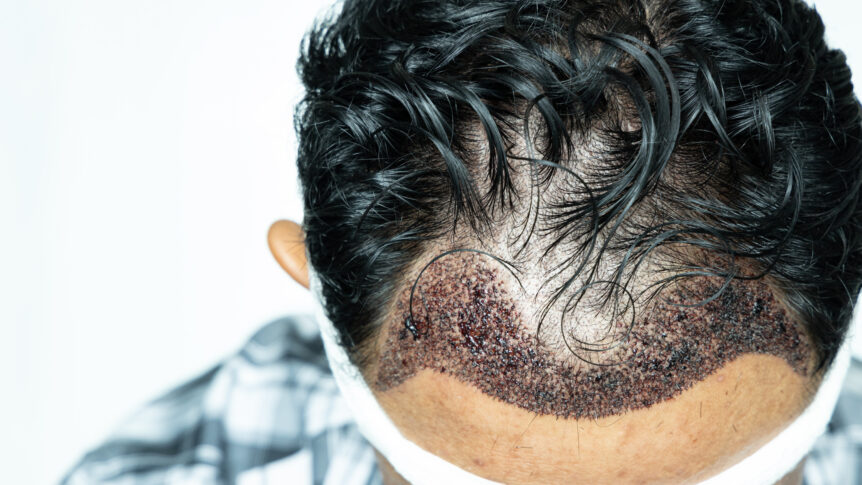
Before we dive into the recovery tips, it’s important to understand what to expect during the recovery process. Immediately after the hair transplant, you may experience some discomfort, swelling, and scabbing in the donor and recipient areas. This is normal and typically resolves within a few days. The transplanted hair will also shed within the first few weeks, which is a normal part of the hair growth cycle.
Over the next several months, the transplanted hair follicles will gradually grow new hair, filling the bald or thinning areas. During this time, it’s important to take care of your scalp and hair to promote optimal healing and hair growth.
Find out everything you need to know about hair transplant recovery time.Smoking and alcohol can impede healing and reduce blood flow to the scalp, which can delay hair growth. Avoid smoking and alcohol for at least two weeks after the hair transplant.
When should I stop smoking or vaping before a hair transplant?
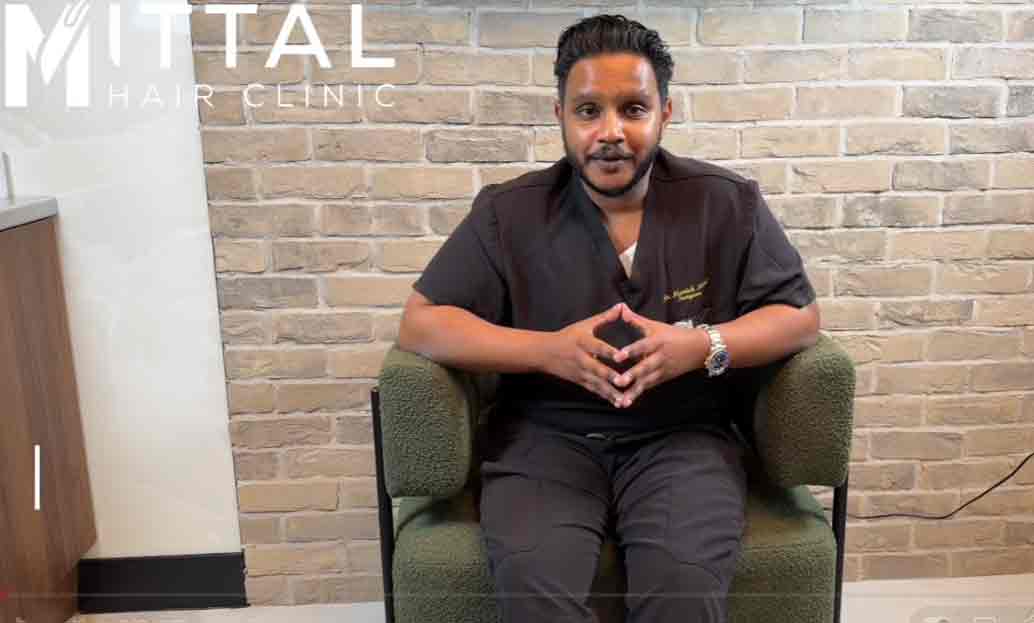
Dr Manish Mittal advises patients not to smoke, as inhaling combusted substances is harmful to health. For patients undergoing a hair transplant, his minimum recommendation is to stop smoking for two weeks before the procedure and for two weeks afterwards to allow for a quicker healing period. Some patients are highly nicotine-dependent and may use alternatives such as nicotine patches.
Watch Dr Mittal explain his advice on smoking and vaping before and after a hair transplant:
Recovery Tips: Washing
Proper washing is crucial for the recovery process after a hair transplant. Here are some tips to follow:
1. Wait at least 48 hours before washing your hair
After the hair transplant, your scalp will be sensitive and prone to bleeding, so it’s important to wait at least 48 hours before washing your hair. This allows the grafts to settle and reduces the risk of dislodging them. Usually the first two washes are non-contact washes.
2. Use a gentle shampoo and lukewarm water
When you do wash your hair, use a gentle shampoo and lukewarm water. Avoid using hot water, which can increase swelling and inflammation. Be gentle when washing your hair typically day 3 and 4 post-surgery are non-contact washes. Day 5 onwards will be your contact washes where you should in circular motions, lightly massage the area and help soften the scabs up.
3. Let your hair air dry.
After washing your hair, let it air dry. Avoid rubbing or pulling on the hair, as this can dislodge the grafts. Do not use a blow dryer or towel to dry the transplanted hair.
Recovery Tips: Sleeping
Proper sleeping habits are important for the recovery process after a hair transplant. Here are some tips to follow:
1. Sleep with your head elevated
When you sleep, prop your head up with pillows or a wedge pillow to keep your head elevated. This reduces swelling and promotes proper blood flow to the scalp.
2. Avoid sleeping on your stomach or side
Sleeping on your stomach or side can put pressure on the transplanted area and cause damage to the grafts. Instead, try to sleep on your back with your head elevated.
3. Use a protective pillowcase
To protect your scalp and hair, use a soft pillowcase made of silk or satin. This reduces friction and prevents damage to the transplanted area.
Recovery Tips: Avoiding Strenuous Activity
Strenuous activity can increase swelling and inflammation in the scalp, which can delay healing and hair growth. Here are some tips to follow:
1. Avoid heavy lifting and bending
For the first week after the hair transplant, avoid heavy lifting and bending over. This can put strain on the scalp and increase swelling.
2. Avoid exercise for the first two weeks
For the first two weeks after the hair transplant, avoid strenuous exercise or activities that cause sweating. This can increase the risk of infection and damage to the grafts.
3. Avoid exposure to the sun
For the first month after the hair transplant, avoid direct exposure to the sun. Wear a hat or use an umbrella when outdoors to protect your scalp from the sun’s harmful rays.
Other Recovery Tips
In addition to the tips mentioned above, there are other things you can do to promote optimal healing and hair growth after a hair transplant:
1. Follow your doctor’s instructions
Your doctor will provide specific instructions on how to care for your scalp and hair after the hair transplant. Follow these instructions carefully to ensure optimal healing and hair growth.
2. Take medications as prescribed
Your doctor may prescribe medications to promote healing and hair growth after the hair transplant, such as antibiotics or anti-inflammatory drugs. Take these medications as prescribed to prevent infection and reduce swelling.
3. Avoid smoking and alcohol
4. Be patient
Hair growth after a hair transplant takes time, and it may take several months before you see the full results. Be patient and continue to follow your doctor’s instructions for optimal healing and hair growth.
Recovering from a hair transplant can be challenging, but with the right care and attention, you can ensure optimal healing and hair growth. Follow these practical tips for washing, sleeping, and avoiding strenuous activity to promote optimal healing and hair growth after your hair transplant. Remember to follow your doctor’s instructions and be patient, as hair growth takes time.
Here is further advice when recovering from a hair transplant.
Patients often ask "how long before you see hair growth?"
FAQs
No, it’s best to avoid hot water for at least two weeks after the hair transplant to reduce swelling and inflammation.
It’s best to avoid strenuous exercise for at least two weeks after the hair transplant to prevent sweating and reduce the risk of infection.
Yes, generally 7 days post-op, but it’s best to avoid tight-fitting hats that can put pressure the transplanted area. Wear a loose-fitting hat or use an umbrella to protect your scalp from the sun.
It may take several months before you see the full results of your hair transplant, as the transplanted hair follicles need time to grow new hair.
It’s best to wait at least four weeks after the hair transplant before dyeing your hair to avoid irritating the scalp and damaging the grafts.