+44 (0) 203 488 9897







Hairstyles for balding men
Understanding Your HairLoss Pattern
Men researching thinning hairstyles often start considering hair transplant at a London clinic once styling options stop working.
Before we get into specific styles, it helps to understand what you're working with. Male pattern baldness typically follows predictable patterns – you might notice your hairline receding at the temples, developing a bald spot on the crown, or experiencing overall thinning across the top of your head. Some guys deal with all of these at once. Knowing your specific pattern will help you choose the most flattering approach.
Making It Work: Practical Tips
Finding the Right Barber
Your relationship with your barber becomes even more important when you're dealing with hair loss. Look for someone who has experience working with thinning hair and isn't afraid to give you honest advice. A skilled barber can suggest modifications to styles you're interested in and show you techniques for styling at home.
Product Selection Matters
When your hair is thinning, the products you use become crucial. Heavy gels and pomades can make thin hair look flat and greasy, while the right lightweight products can add texture and apparent volume. Matte-finish products often work better than high-shine options, as they don't draw attention to areas where your scalp might be visible.
Tom Hardy Legend Haircut
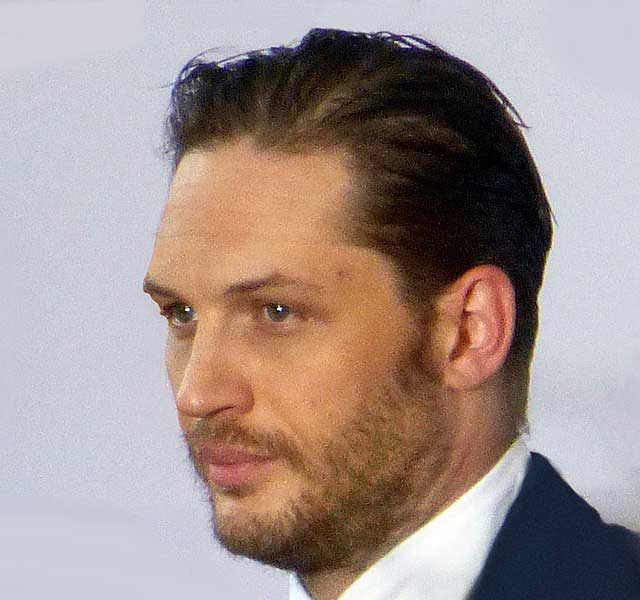
Tom Hardy’s “Legend” haircut is a slick, tight, side-part style with short back and sides and a neat, combed top. Balding men can achieve a version of this look as long as they have enough hair at the front and crown. If thinning is significant, a shorter variation works best.
Taper fade haircut
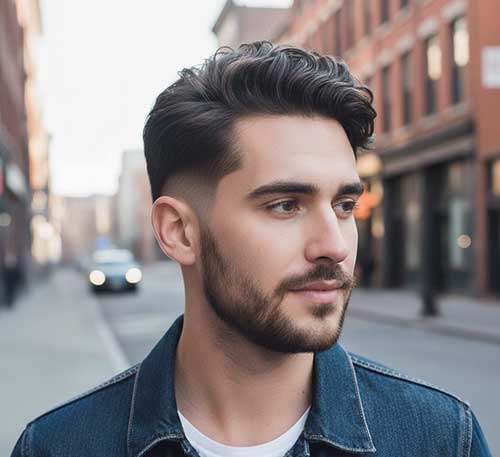
A taper fade haircut gradually shortens the hair down the sides and back, creating a clean, sharp finish. It can be suitable for balding men because the fade blends thinning areas naturally, reduces contrast between thick and thin hair, and gives a modern, well-groomed look without emphasizing hair loss.
The Shaved Head -Ultimate confidence
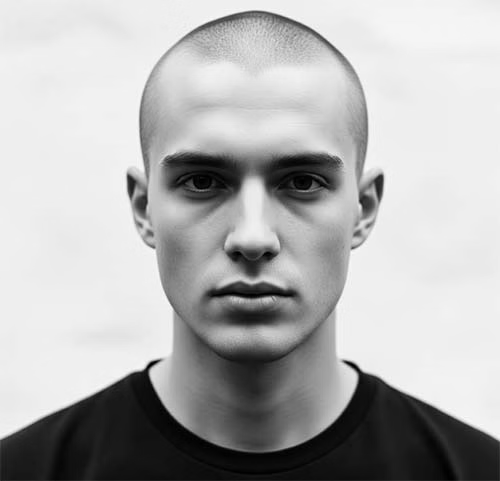
Sometimes the boldest move is the best move. If you're dealing with significant hair loss, shaving it all off can be incredibly liberating. You'll never have a bad hair day again, you'll save money on cuts and products, and you'll project an image of someone who's completely comfortable in their own skin. Think of actors like Vin Diesel or The Rock – they've made the bald look part of their signature style.
The Stratham Stubble

Named after Jason Statham, this look combines a very short buzz cut or shaved head with perfectly maintained facial hair. The key is keeping everything extremely neat – your head should be buzzed to almost nothing (or completely shaved), while your facial hair stays at a consistent, short length. This creates a cohesive, masculine look that works whether you're in a business meeting or hitting the gym.
The Buzz Cut

When you buzz your hair to a uniform short length all over, you create consistency that eliminates any awkward contrast between thick and thin areas. You can go anywhere from a #1 guard to a #4, depending on how much coverage you have. This style works particularly well if you have a bald spot on the crown – the short length makes everything blend together seamlessly.
The Crew Cut
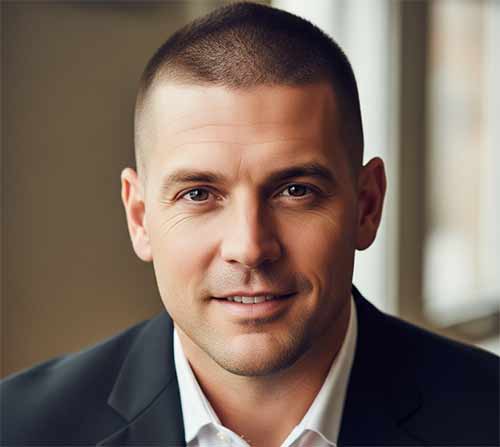
If you still have decent coverage on top but are experiencing some thinning, a crew cut can be your best friend. This involves keeping the sides very short while leaving slightly more length on top – usually about an inch or so. The key is having your barber blend everything smoothly so there are no harsh lines that might emphasize thin spots.
Slicked Back
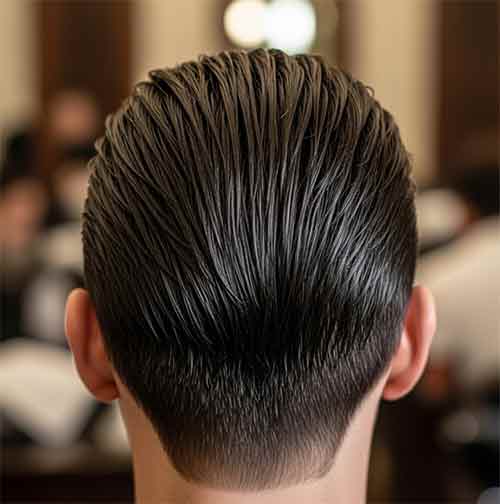
This only works if you have enough hair on top to pull back, but when done right, it's incredibly sophisticated. Use a strong-hold pomade or gel to slick your hair straight back from your forehead. This style works best when your hair loss is primarily at the temples rather than the crown. The slicked-back look draws the eye along the lines of your hair rather than focusing on any thin areas.
The Classic Quiff
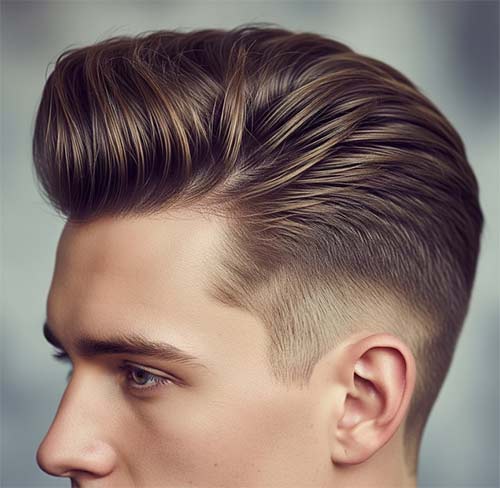
A quiff involves styling the front section of your hair upward and slightly back, creating height and texture. This can work if your thinning is mild to moderate and you have enough length to work with. The upward styling actually creates the illusion of more volume, and the focused styling draws attention to the styled area rather than any problem spots.
The Business Cut

The business hairstyle is a classic, polished haircut favored in professional settings. It features neatly trimmed sides and back, with the top left slightly longer for easy styling. The hair is typically parted to the side or combed back for a clean, structured appearance. This style balances professionalism with versatility, making it suitable for both office and formal occasions. It requires minimal upkeep and works well with most face shapes and hair types.
The Brow Flow

The "bro flow" – that swept-back, medium-length style – can look great on guys with thick hair, but it's tricky territory when you're dealing with thinning. If you're determined to try it, you need enough density on top and sides to pull it off. If your hair loss is advanced, this style will likely emphasize rather than camouflage the problem areas.
The Top Knot

Man buns and top knots require sufficient hair length and density to look intentional rather than desperate. If you have a bald spot on the crown or significant thinning on top, gathering what hair you have into a knot will likely draw attention to exactly what you're trying to downplay. This style works best for guys in the very early stages of hair loss.
The Worst Haistyles for Balding Men
Let's be honest about the styles that rarely work when you're dealing with hair loss. The comb-over is the classic example – trying to stretch thin hair across bald areas almost always looks obvious and dated. Similarly, keeping long hair on the sides while the top is thin creates an unflattering contrast that emphasizes the problem.
Long Hair with a Bald Crown: The Friar Tuck Effect
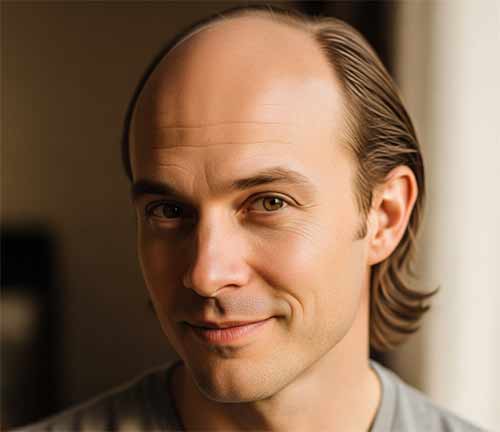
If you have significant balding on top but try to keep long hair around the sides and back, you risk creating what's sometimes called the "friar tuck" look. This medieval monk style is rarely flattering in modern times. If your crown is quite bald, shorter styles that create consistency across your entire head will almost always look better.
Braided with Dreadlocks

Braids and dreadlocks require substantial hair density to look full and intentional. If you're experiencing significant thinning, these styles may end up looking sparse rather than stylish. However, if you're in the early stages of hair loss and these styles are important to your personal or cultural identity, work with a skilled stylist who can help you adapt the techniques to work with your changing hair.
What causes hair loss?
Androgenic alopecia, or male pattern baldness, is men's most prevalent form of hair loss. This usually begins with a receding hairline or thinning at the crown, and some men may notice hair loss as early as their twenties. If no preventative measures are taken, men who experience early hair loss are more likely to develop extensive balding.
The two androgens implicated in male pattern hair loss are testosterone and dihydrotestosterone (DHT). DHT is a hormone that develops male traits during puberty and is a by-product of testosterone. Some men have a genetic predisposition to be more sensitive to DHT, which causes their hair to miniaturise as the hormone disrupts the hair growth cycle until the follicles enter dormancy.
While the follicles miniaturise, they remain active. Medical treatments can help reverse the miniaturisation process if initiated promptly. However, if addressed too late, regrowing weakened hairs becomes highly challenging. In such cases, hair restoration surgery is the most viable option – transferring DHT-resistant hair from the back and sides of your scalp.
Why is the hair at the back and sides of a bald man's head resistant to thinning?
The precise reason still needs to be fully understood. However, it is thought that the hair on the back and the sides comes from different sources when embryologically created, i.e. within the womb. As such, the hair on the back and the sides remain unaffected by DHT, much like a beard, which improves with DHT.
Hair loss affects most men at some point in their lives, and it is perfectly normal to want to find a solution to halt and reverse the situation.
Ideal candidates for hair transplant surgery typically use hair loss medication to strengthen their thinning hair. It is crucial to remember that your donor hair is not unlimited and must be appropriately managed to maximise your valuable supply.
Hair Loss should be considered holistically. It is not just having high levels of DHT or higher susceptibility to this hormone that causes baldness. Still, deficiencies in certain minerals and vitamins can contribute to hair loss.
In women, there are well-documented things that can lead to hair loss. Although this list is not exhaustive, it will give you some ideas:
- Hormone imbalances; can include auto-immune conditions such as hyper or hypothyroidism and postpartum hair loss.
- Iron and B12 Deficiency
- Vitamin D Deficiency
- Certain types of oral contraception
If you would like to discuss this further, please get in touch with us via the booking form. We look forward to addressing any of your concerns.
Maintenance is Essential
See real patient transformations in our hair transplant case studies
Whatever style you choose, keeping it well-maintained is essential. Thinning hair often grows unevenly, so regular trims become even more important. Most of these styles look best when they're fresh, so plan on visiting your barber every 3-4 weeks.
Here's the truth that's worth repeating: the best hairstyle for you is the one that makes you feel confident and comfortable. Whether you decide to embrace a completely shaved head, work with a shorter style that manages your thinning hair, or find creative ways to style what you have, own your choice completely.
Some of the most charismatic and attractive men have dealt with hair loss and made it part of their signature look. Your changing hairline doesn't define your attractiveness or success – your confidence, personality, and how you carry yourself do.
Take time to experiment with different options, get honest feedback from your barber, and remember that this transition can actually be an opportunity to discover a style that's even better than what you had before. The key is being realistic about what works with your specific situation while staying true to your personal style preferences.
Here's the truth that's worth repeating: the best hairstyle for you is the one that makes you feel confident and comfortable. Whether you decide to embrace a completely shaved head, work with a shorter style that manages your thinning hair, or find creative ways to style what you have, own your choice completely.
Some of the most charismatic and attractive men have dealt with hair loss and made it part of their signature look. Your changing hairline doesn't define your attractiveness or success – your confidence, personality, and how you carry yourself do.
Take time to experiment with different options, get honest feedback from your barber, and remember that this transition can actually be an opportunity to discover a style that's even better than what you had before. The key is being realistic about what works with your specific situation while staying true to your personal style preferences.