+44 (0) 203 488 9897






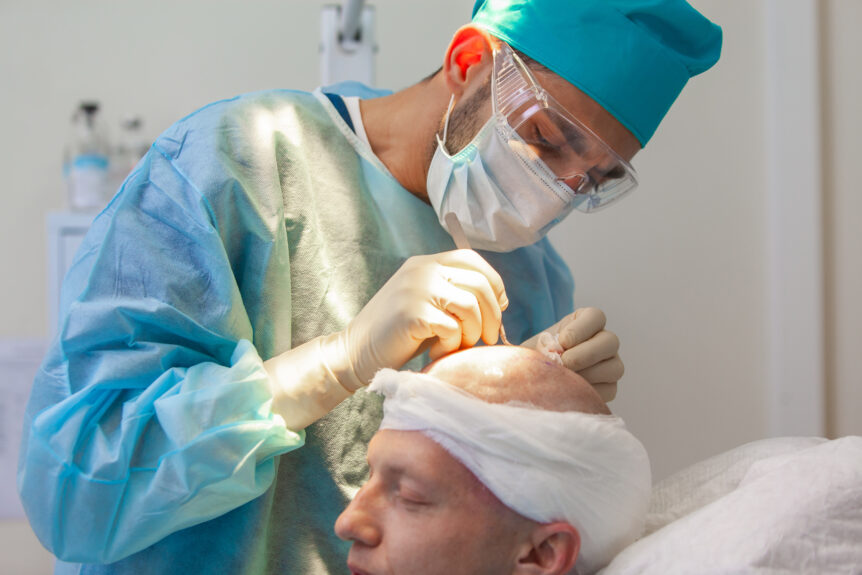
How to Choose the Right Hair Transplant Surgeon
Hair transplant surgery is a delicate procedure that requires skill and expertise. Choosing the best hair transplant in London is critical to ensure the best results. With so many hair transplant surgeons to choose from, it can be overwhelming to find the right one. This article will provide you with tips on how to select the right hair transplant surgeon, including factors such as experience, qualifications, and reputation.
Table of Contents
Experience
One of the most important factors to consider when choosing a hair transplant surgeon is experience. Look for a surgeon who has years of experience performing hair transplant surgeries. An experienced surgeon will have performed hundreds or even thousands of procedures and can handle any complications that may arise during the surgery. Experience also ensures that the surgeon is familiar with different hair types and can provide customised solutions based on individual needs.
Qualifications
In addition to experience, it's essential to choose a surgeon who has the right qualifications. Look for a surgeon who is registered with GMC. This will mean they have a licence to practice. See if they are a member of the International Alliance of Hair Restoration Surgeons (IAHRS) a consumer organisation with a list of some of the most ethical surgeons in the world.
Reputation
Another factor to consider when choosing a hair transplant surgeon is reputation. Look for a surgeon with a good reputation in the industry. You can check online reviews, ask for referrals, and speak with past patients. A good reputation indicates the surgeon's track record of delivering successful results and providing excellent patient care.
Cost
Cost is another critical factor to consider when choosing a hair transplant surgeon. Hair transplant surgery can be expensive, but don't let cost be the only deciding factor. Look for a surgeon who offers transparent pricing and explains what's included in the cost. Be wary of surgeons who offer prices that seem too good to be true, as they may be cutting corners or using outdated techniques.
Before and After Photos
When researching hair transplant surgeons, be sure to look at before and after photos of previous patients. These photos can give you an idea of the surgeon's skill and the kind of results you can expect. Look for photos that show results similar to what you're hoping to achieve.
Consultation Process
A good hair transplant surgeon should offer a consultation process that includes a thorough examination of your scalp and hair. During the consultation, the surgeon should explain the procedure in detail and answer any questions you may have. The consultation process should also include a discussion of your goals and expectations.
Surgical Technique
There are two primary techniques for hair transplant surgery: follicular unit transplantation (FUT) and follicular unit extraction (FUE). FUT involves removing a strip of skin from the back of the scalp and dissecting it into individual hair follicles. FUE involves removing individual hair follicles from the scalp using a special tool. Both techniques have pros and cons, and the right technique for you will depend on your individual needs.
Anaesthesia
Hair transplant surgery typically requires local anaesthesia, which numbs the scalp and makes the procedure painless. However, some surgeons may offer additional sedation to help you relax during the procedure. Be sure to ask about the type of anaesthesia the surgeon uses and whether you'll need someone to drive you home after the procedure.
Facility
When choosing a hair transplant surgeon, it's important to consider the facility where the procedure will be performed. Look for a surgeon who performs the surgery in a safe and sterile environment, such as a hospital or an accredited surgical center. The facility should be equipped with the latest technology and equipment to ensure a successful surgery.
Follow-Up Care
Hair transplant surgery requires follow-up care to ensure the best results. Look for a surgeon who provides post-operative care, including follow-up appointments, to monitor your progress. The surgeon should also provide detailed instructions on how to care for your scalp after the surgery and what to expect during the recovery process.
Patient Reviews
One of the best ways to gauge a hair transplant surgeon's skill and expertise is to read patient reviews. Look for reviews on independent websites or forums where patients can leave honest feedback about their experience. You can also ask the surgeon for references or speak with past patients to get a better understanding of what to expect. Look for reviews specifically about the surgeon who will operate on you.
Questions to Ask
When meeting with a hair transplant surgeon, be sure to ask the following questions:
- How many hair transplant surgeries have you performed?
- Are you a member of IAHRS?
- What technique do you use?
- What kind of anaesthesia do you use?
- What kind of results can I expect?
- What is the recovery process like?
- What kind of follow-up care do you provide?
- Can I see before and after photos of previous patients?
Red Flags to Watch Out For
When choosing a hair transplant surgeon, be sure to watch out for the following red flags:
- The surgeon offers prices that seem too good to be true.
- The surgeon has no before and after photos of previous patients.
- The surgeon doesn't have any patient reviews or references.
- The surgeon isn't recommended by an independent society such as the IAHRS.
- The surgeon needs to provide a thorough consultation process and steer clear of one who doesn't.
FAQs
Hair transplant surgery can take anywhere from four to eight hours, depending on the size of the treatment area.
The procedure is typically painless, as it's performed under local anaesthesia. Some patients may experience minor discomfort during the procedure and mild pain during the recovery process.
Recovery time varies, but most patients can return to work and other daily activities within a few days to a week after the surgery.
Yes, women can undergo hair transplant surgery, but the causes of hair loss in women may be different from those in men, and the procedure may require a different approach. Please visit our page on hair transplants for women
Yes, with the right surgeon and technique, the results of a hair transplant surgery can look natural and blend seamlessly with your existing hair.