+44 (0) 203 488 9897






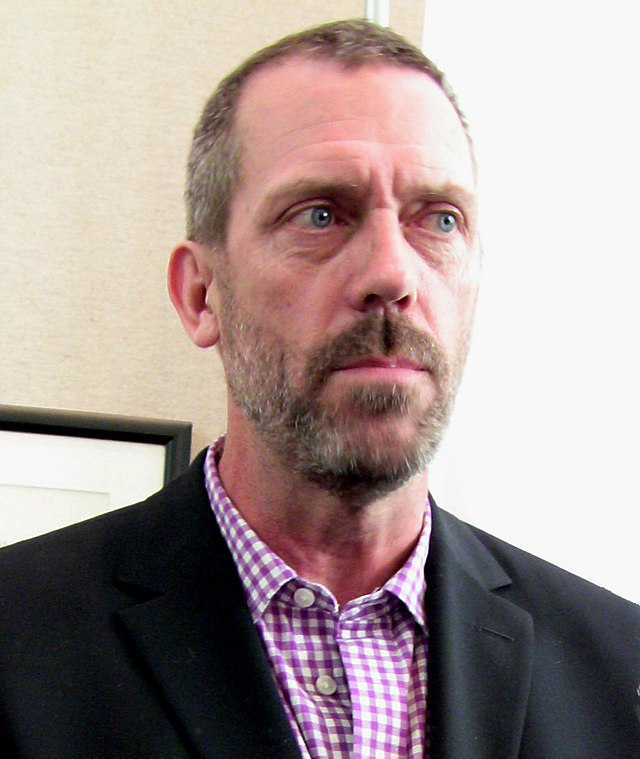
Why would Hugh laurie consider a hair transplant?
Hugh Laurie, the acclaimed British actor best known for his role in "House," has been the subject of public and media speculation regarding changes in his hair over the years. While Laurie has not publicly confirmed undergoing a hair transplant, noticeable differences in his hair density have sparked discussions among fans and the press.
Public and Media Observations
In the early 2000s, during the initial seasons of "House," viewers observed that Laurie's hair appeared fuller on-screen compared to his off-screen appearances. This discrepancy led to speculation about possible hair restoration methods, including the use of hairpieces or cosmetic products. A 2008 article by the Daily Mail highlighted this contrast, noting that while Laurie sported thick hair on the show, candid photographs revealed a thinning crown. The article suggested that this difference might be due to styling techniques or even post-production enhancements.
Despite the noticeable changes, Laurie has maintained a lighthearted attitude toward his hair loss. He once quipped, "The only thing sadder than a man with a bald spot is a man trying to hide a bald spot." This remark indicates his acceptance of natural ageing and suggests that he may not have pursued surgical hair restoration.
Speculations on Hair Restoration Methods
Various sources have speculated about the methods Laurie might have employed to address his hair thinning. Some suggest that he may have used hair-building fibres or other cosmetic products to enhance the appearance of his hair during filming. Others propose that strategic hairstyling or the use of hairpieces could account for the differences observed between his on-screen and off-screen looks. However, without official confirmation from Laurie, these remain speculative.
Impact on Career
Laurie's approach to his hair loss appears to have had minimal impact on his career. His talent and versatility as an actor have continued to secure him prominent roles in television and film. By embracing his natural appearance and focusing on his craft, Laurie demonstrates that authenticity and skill resonate more with audiences than physical attributes.
The Impact of a Hair Transplant on an Actor's Career
In the entertainment industry, appearance plays a significant role in an actor's success. While talent and versatility are crucial, physical appearance directly influences the types of roles an actor is offered. Hair loss, particularly for leading men, has long been associated with ageing, limiting casting opportunities. A hair transplant makes a big difference in an actor's career, affecting their marketability, confidence, and ability to secure diverse roles.
Expanding Casting Opportunities
One of the biggest challenges actors face as they age is being typecast into older roles due to hair loss. In Hollywood and other major film industries, many leading roles—especially in romantic films, action movies, and dramas—are given to actors who maintain a youthful appearance. A hair transplant can help an actor retain or regain a youthful look, making them eligible for a wider range of roles.
For example, actors like Matthew McConaughey and John Travolta have been speculated to have undergone hair restoration procedures, helping them maintain their leading-man status. Without a full head of hair, they may have been cast more frequently in character roles rather than as protagonists in major productions.
Boosting Confidence and On-Screen Presence
An actor's confidence directly impacts their performance. Hair loss can sometimes lead to self-consciousness, affecting the way an actor carries themselves on screen. A hair transplant can restore not just hair but also confidence, allowing actors to perform more naturally and charismatically.
This confidence extends beyond their on-screen presence. Actors frequently engage in press tours, interviews, and public appearances. A full head of hair can make them feel more comfortable in these settings, enhancing their appeal to audiences and industry professionals.
Enhancing Marketability and Endorsement Deals
Actors are not just performers; they are also brands. Their appearance influences their ability to land endorsement deals, sponsorships, and magazine covers. Many actors are the face of fashion brands, luxury watches, and grooming products. A youthful and attractive appearance, aided by a hair transplant, can open doors to lucrative endorsement opportunities.
Actors with a strong public image often land roles in high-budget films and television series. By maintaining a youthful look, they remain desirable to casting directors, producers, and advertisers looking to capitalize on their star power.
Avoiding the Limitations of Wigs and Makeup
While wigs, hairpieces, and makeup can help create the illusion of fuller hair, they are not always practical. A hair transplant provides a permanent solution, reducing the need for constant styling adjustments. This can be particularly beneficial for actors in action or physically demanding roles, where wigs and hairpieces may not stay in place.
If an actor like Hugh Laurie were to undergo a hair transplant, he would likely opt for a method that provides natural-looking results, minimal downtime, and minimal scarring to maintain his professional image. Based on his age, hair type, and the requirements of an actor's career, the two most suitable options would be:
- Follicular Unit Extraction (FUE)
- Why he would choose it: FUE is the most popular technique among actors because it leaves no linear scars, making it ideal for those who need to keep their appearance seamless for film and television work.
- How it works: Individual hair follicles are extracted from the donor area (typically the back of the scalp) and transplanted into thinning areas.
- Recovery time:
-
- First few days: Some redness, swelling, and tiny scabs in the transplanted area.
-
- 1-2 weeks: Most visible signs of the procedure subside.
-
- 3-4 months: The "shedding phase" occurs, where transplanted hairs fall out before regrowth begins.
-
- 6-12 months: Final results appear as new hair grows naturally.
- Direct Hair Implantation (DHI)
- Why he would choose it: DHI is a more refined version of FUE that uses a specialized tool to directly implant hairs without creating pre-made incisions, leading to faster healing.
- How it works: Similar to FUE, it provides denser and more precise hair implantation, making it a great choice for high-definition on-screen work.
- Recovery time: Almost identical to FUE but with slightly less downtime due to reduced trauma to the scalp.
Would Hugh Laurie Consider FUT?
- Follicular Unit Transplantation (FUT), which involves removing a strip of scalp, is unlikely to be his choice. While it can yield great results, it leaves a linear scar, which could be visible if he ever wears his hair short or in certain lighting conditions on camera.
How Long Would Recovery Take?
Since actors need to maintain their image, Laurie would likely schedule the procedure during a break from filming. Here's a rough timeline:
- Days 1-7: He would have scabbing and redness, so he might stay out of public view.
- Days 7-14: Most swelling and redness subside; with makeup, he could resume light public appearances.
- Weeks 3-4: He may experience "shock loss," where transplanted hairs shed before regrowth starts.
- 3-6 months: His hair would begin growing naturally, blending into his existing hair.
- 6-12 months: Full results appear, making it unnoticeable that he had any procedure.
Check our list of celebrities who had or may have had a transplant.
Learn more about our treatments:
Learn more about our treatments: