+44 (0) 203 488 9897







David Beckham Hair Transplant

David Beckham's Possible Hair Transplant: Separating Fact from Fiction
David Beckham is one of the most recognized footballers and style icons of all time. His career has been marked not just by his performances on the pitch but also by his ever-changing hairstyles, from his youthful floppy locks to his bold shaved head era. Recently, however, much speculation has surrounded David Beckham's hair transplant and whether the footballing legend has undergone hair transplant surgery to maintain his thick locks. While there has been no official confirmation, the conversation around celebrity hair transplants continues to fuel intrigue.
Why Would David Beckham Consider a Hair Transplant?
David Beckham has always been in the spotlight, with cameras following him on and off the pitch. As a global style icon and brand ambassador for luxury products, maintaining a youthful and well-groomed image is crucial. Hair loss can have a significant psychological impact, especially for someone constantly under public scrutiny. A hair transplant surgery would ensure he retains a full, youthful head of hair, maintaining his marketability and confidence.
Additionally, Beckham is known for setting trends and influencing millions. A receding hairline or visible male pattern baldness could impact his carefully curated public image. If he did opt for a David Beckham hair transplant, it would align with his commitment to looking impeccable at all times.
The Business & Brand Impact of Beckham's Hair
A key reason Beckham would consider a hair transplant surgery is his business empire. His continued work in fashion, endorsements, and media requires him to maintain an appealing aesthetic. Many of his endorsement deals, from luxury brands to grooming products, rely on his youthful and polished image. A visible receding hairline could affect his marketability in campaigns that emphasize grooming, elegance, and confidence.
Furthermore, Beckham is often compared to younger footballers and influencers in the fashion industry. Maintaining a full head of hair ensures that he stays competitive in brand endorsements and public appearances.
Did Beckham Have a Hair Transplant During His Playing Career or Afterwards?
One of the key debates surrounding the possible David Beckham hair transplant is whether any potential treatment occurred during his playing career or post-retirement. During his time at Manchester United, Real Madrid, and LA Galaxy, his hairstyles often shifted dramatically. His shaved head look could have been a strategic choice to hide early hair thinning. However, during his later years, he consistently sported thicker hair, suggesting that if he did have a hair transplant surgery, it likely occurred post-retirement when he had more time for recovery.
Photos from some of David Beckham's Career on Football Pitch
David Beckham's famous sending off incident when playing against Argentina where he fouled Diego Simeone
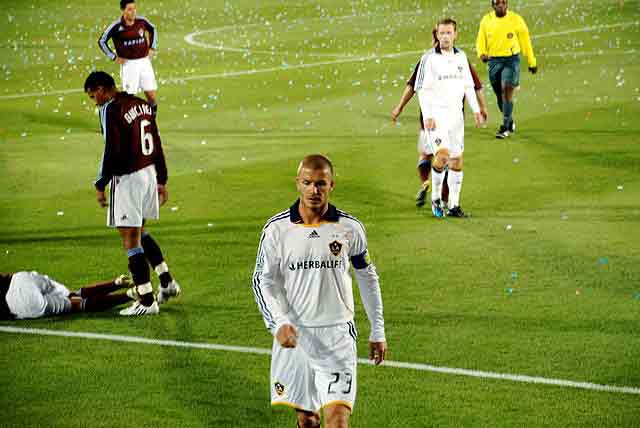
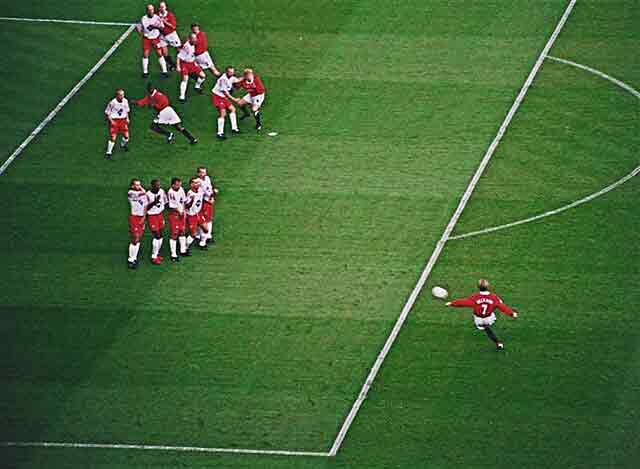
A typical run-up to a free kick by David Beckham in 2008, when sported his short haircut style
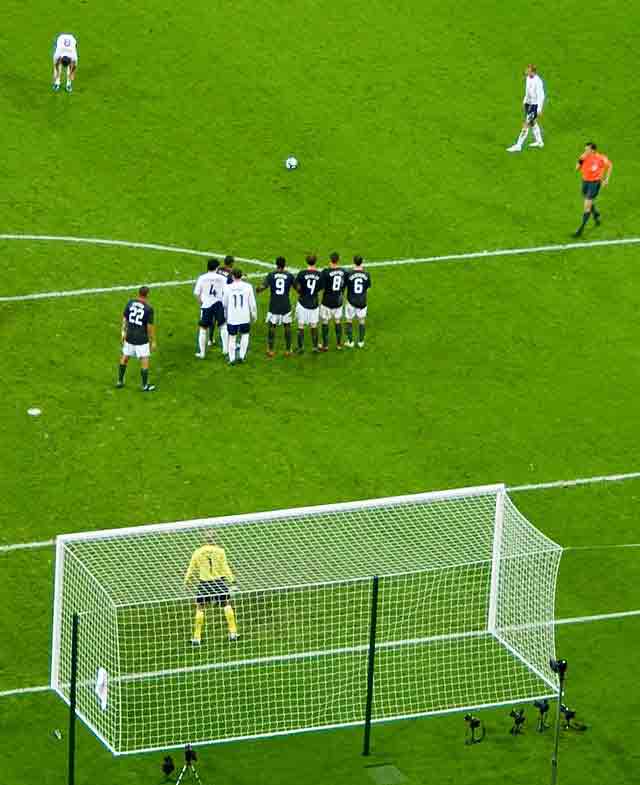
Factors That Might Have Delayed a Hair Transplant During David Beckham's Career:
- Recovery Time: Hair transplants require healing, which might have been difficult to manage with the demands of professional football.
- Strict Training Schedules: The need to maintain peak physical fitness and a busy match calendar may have discouraged him from undergoing surgery.
- Media Scrutiny: If Beckham had undergone a transplant while still playing, the media would have closely analyzed his hair changes, making it harder to keep private.
Why Post-Retirement Would Be the Ideal Time:
- More Recovery Time: Beckham's transition into business and fashion allowed for more personal downtime to recover from a procedure.
- Gradual Hair Restoration: A transplant performed post-retirement would have allowed for a more subtle, natural transformation.
David Beckham's Early Hairstyles: From Floppy to Mohawk
Beckham first rose to prominence in the 1990s when he played for Manchester United. During these early years, his hair was thick, floppy, and naturally wavy, complementing his youthful image. As the years progressed, his hairstyles evolved. From the iconic middle-parted curtain hairstyle of the late '90s to the bold mohawk of the early 2000s, Beckham never shied away from experimenting with his look.
As one of the most famous footballers in the world, Beckham's hair became a topic of widespread discussion. His mohawk, in particular, made headlines during his Manchester United and England days. He then transitioned into more structured styles, including the buzz cut, which marked his move to Real Madrid. These changes showcased his adaptability, but they also led to early whispers about the David Beckham hair transplant.
The Shaved Head Era: Hiding Hair Thinning or Just a Style Statement?
Beckham's shaved head, which he sported multiple times throughout his career, especially during his time at Real Madrid and later at LA Galaxy, led many to wonder if he was covering up male pattern baldness. While some viewed this look as a bold fashion choice, others speculated it was a strategy to conceal receding hairlines or hair thinning.
Despite these rumours, Beckham continued to appear with full and thick hair during public appearances, reigniting the discussion about whether he had undergone hair transplant surgery.
Myths About David Beckham's Hair Transplant
There are several myths surrounding David Beckham's hair transplant rumors. Some of the most common ones include:
- Beckham Never Had Hair Loss: While Beckham has maintained a full head of hair in recent years, this does not necessarily mean he never experienced male pattern baldness.
- He Uses Only Hair Products to Maintain His Hair: Thickening shampoos and styling gels can only do so much to counteract genetic hair loss.
- Beckham's Hair Is Naturally Full Without Any Treatment: Given his age and past hairstyles, some suspect he may have had a celebrity hair transplant.
- Beckham Had a Full Head of Hair All His Life: Photos from certain angles suggest signs of David Beckham's hair loss, particularly in the crown area.
The Impact of Hair Transplants on Athletes and Celebrities Like the David Beckham hair transplant
Beckham would not be the first high-profile athlete to consider a hair transplant surgery. Many former footballers, such as Wayne Rooney and Antonio Conte, have publicly acknowledged undergoing procedures to restore their hair. The reason behind such decisions often goes beyond aesthetics—it helps maintain confidence, both on and off the pitch.
In industries like entertainment and sports, appearance plays a critical role in career longevity. The trend of celebrity hair transplants has skyrocketed, with many public figures opting for FUE hair transplants for a natural and undetectable outcome.
>Did David Beckham Get a Hair Transplant?
While Beckham has never confirmed undergoing a hair transplant surgery, his consistently full hairline in recent years has fuelled speculation. Whether he had an FUE hair transplant or simply benefited from great genetics and hair care, Beckham's hair evolution remains a topic of fascination.
For those experiencing the David Beckham hair transplant journey or struggling with hair thinning, hair transplants offer a viable solution. As seen with numerous celebrity hair transplants, these procedures can restore confidence and enhance personal image.
Whether or not Beckham has had a David Beckham hair transplant, one thing is certain—he continues to be a global style icon, inspiring men worldwide to take charge of their grooming and hair health.
The Importance of David Beckhams Brand is Related to his youthful appearance.
David Beckham's enduring commercial success represents one of the most remarkable cases of post-career brand sustainability in sports history. Since retiring from professional football in 2013, Beckham has maintained and even expanded his portfolio of endorsements and business ventures, with earnings reportedly exceeding $65 million annually in recent years. His brand partnerships have spanned luxury fashion (Tudor watches), lifestyle products (House 99 grooming line), beverages (Haig Club whisky), and technology (Samsung).
Key to Beckham's sustained marketability has been his ability to evolve from sports icon to lifestyle and fashion influencer. Unlike many athletes whose commercial appeal diminishes sharply after retirement, Beckham successfully transitioned his personal brand beyond sports performance to encompass style, sophistication, and business acumen. His ownership stake in Inter Miami CF and various business ventures demonstrates this evolution.
The importance of maintaining a youthful, vibrant image in the endorsement industry cannot be overstated.
Research from sports marketing firm Octagon shows that perceived vitality and relatability to younger demographics can account for up to 40% of an athlete's endorsement value post-retirement. This creates unique pressures on retired athletes to maintain their physical appearance and public perception of vigour.
In the broader sports industry, image maintenance has become increasingly sophisticated and multifaceted. Athletes across various sports invest significantly in personal grooming, fashion consulting, and aesthetic maintenance as part of their brand management strategy. This investment often continues well into retirement, as many former athletes transition into media roles or business ventures where appearance remains commercially significant.
The relationship between physical appearance and commercial viability in sports marketing has evolved significantly over the past two decades. While athletic performance was once the primary driver of endorsement value, contemporary sports marketing increasingly emphasizes lifestyle elements and personal brand narrative. This shift has created new imperatives for athletes to maintain their appearance and vitality well beyond their active playing careers.
Several factors contribute to this trend:
- Social Media Impact: The rise of Instagram, TikTok, and other visual platforms has intensified scrutiny of athletes' appearance and lifestyle. These platforms reward polished, youthful imagery with enhanced engagement and commercial opportunities.
- Extended Career Timelines: Modern athletes often maintain public profiles long after retirement through broadcasting, coaching, or business ventures. This extended visibility creates pressure to maintain a consistent image over decades.
- Changing Consumer Demographics: As sports marketing increasingly targets millennials and Gen Z consumers, maintaining relevance with younger audiences becomes crucial for long-term brand value.
- Global Brand Building: International markets, particularly in Asia, place high value on youthful appearance in brand ambassadors, influencing how athletes manage their image for global appeal.
The financial implications of maintaining a youthful, vital image in sports marketing are substantial. Industry data suggests that perceived age and vitality can impact endorsement values by 20-30% for retired athletes. This creates strong economic incentives for investment in personal appearance and brand management.
The role of medical aesthetics in sports has also become more openly discussed, though specific procedures remain largely private matters. The sports industry has seen growing acceptance of various aesthetic treatments as part of overall career management, particularly as athletes transition into media roles or business ventures.
The key lesson from successful cases like Beckham's is that maintaining commercial viability requires careful long-term planning and consistent investment in personal brand management. Athletes who successfully navigate this transition often begin preparing years before retirement, developing broader lifestyle appeal that can sustain their brand value beyond their athletic careers.
The maintenance of a youthful, vital image has become a crucial element of long-term brand value in sports marketing. As athletes increasingly build careers that extend far beyond their playing days, sophisticated approaches to personal brand management, including careful attention to appearance and vitality, have become standard practice in the industry.
The success of figures like Beckham demonstrates the potential commercial value of maintaining a strong personal brand well into retirement, while highlighting the complex interplay between athletic achievement, personal image, and long-term commercial viability.
David Beckham's Endorsements and the Importance of Maintaining a Youthful Image
David Beckham is not just a football legend; he is a global icon whose influence transcends sports. Over the years, Beckham has built a brand that is synonymous with style, athleticism, and charisma. His endorsements and partnerships with major brands such as Adidas, H&M, Breitling, and Tudor have cemented his status as a marketing powerhouse. However, maintaining this brand requires more than just talent and fame—it demands a carefully curated image. For Beckham and many other athletes, preserving a youthful appearance is crucial to sustaining their marketability and appeal. This essay explores Beckham's endorsements, the importance of a youthful image for his brand, and how hair transplants have become a popular choice among athletes to maintain their public persona.
Beckham's Endorsements: A Legacy of Brand Power
David Beckham's career has been marked by his ability to leverage his athletic success into a multifaceted brand. From his early days at Manchester United to his stints at Real Madrid, LA Galaxy, and Paris Saint-Germain, Beckham's on-field achievements have always been complemented by his off-field ventures. His endorsements span a wide range of industries, including fashion, fitness, grooming, and luxury goods.
One of his most notable partnerships is with Adidas, a relationship that has lasted over two decades. Beckham's collaboration with Adidas has included signature cleats, apparel lines, and global campaigns that highlight his athletic prowess and style. Similarly, his work with H&M brought his fashion sense to the masses, while his association with luxury watch brands like Breitling and Tudor underscores his sophistication and timeless appeal.
Beckham's endorsements are not just about selling products; they are about selling a lifestyle. His image is one of effortless cool, combining athleticism with elegance. This image has allowed him to remain relevant long after his retirement from professional football. However, maintaining this image requires constant effort, particularly when it comes to physical appearance.
The Importance of a Youthful Image for David Beckham
In the world of endorsements, image is everything. For athletes like Beckham, whose careers are built on physical performance, maintaining a youthful appearance is essential to staying marketable. A youthful image conveys vitality, energy, and relevance—qualities that brands want to associate with their products. As athletes age, they face the challenge of preserving their physical appearance to align with the expectations of their audience and sponsors.
Beckham, now in his late 40s, has managed to maintain a remarkably youthful appearance. His fitness regimen, grooming habits, and fashion choices all contribute to his ageless image. However, one aspect of his appearance that has drawn attention is his hair. Over the years, Beckham has experimented with various hairstyles, from buzz cuts to slicked-back looks, but his hair has remained a key part of his identity. For many athletes, hair loss can be a significant concern, as it can age them prematurely and detract from their overall image.
Further reading on David Beckham at Wikipedia
Check our list of celebrities who had or may have had a transplant.